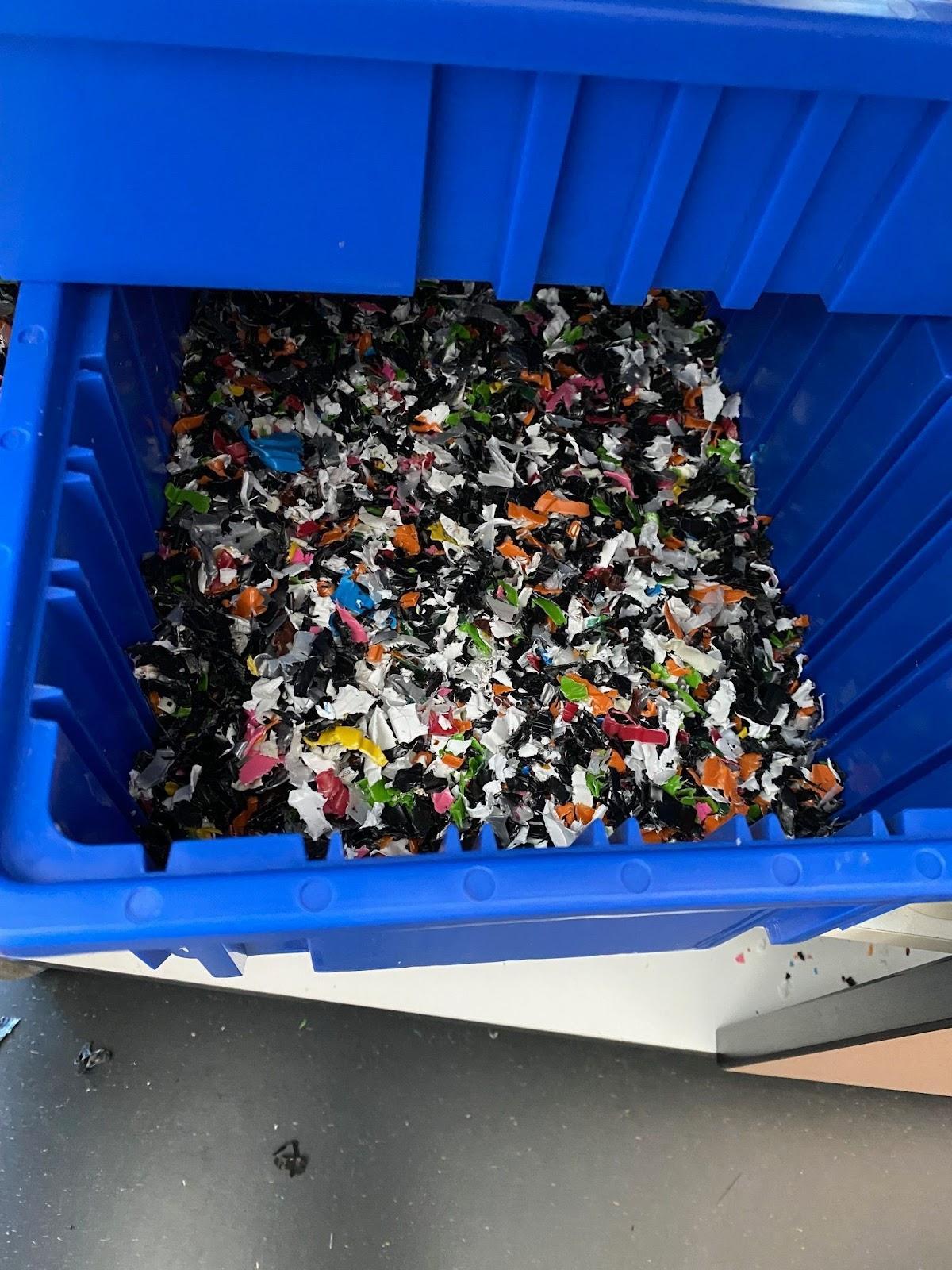
While few things are truly set in stone, the reign of concrete as one of the world's most widely used building materials is one of them. Second only to water, concrete is a highly consumed material worldwide. However, another commonly used material is plastic, composed of synthetic polymers produced from fossil fuels. Hundreds of millions of tons of plastic are thrown away and relegated to landfills or incinerated each year, causing innumerable adverse effects on the environment through their longevity and toxicity.
In 2022, the OECD released a report showing that only about 9% of plastic is recycled and that the usage of plastic continues to grow each year. This includes effects such as the Great Pacific Garbage Patch, composed primarily of single-use plastics.
One specific type of plastic that is growing in usage is Polylactic Acid (PLA). PLA is broadly used throughout emerging industries such as 3D printing. Waste PLA is produced in large quantities as a byproduct. Nearly 200 thousand tons of PLA were estimated to be produced in 2019, and the total amount is expected to double every three to four years. Finding a productive way to utilize this waste plastic is critical.